Hotel pool surface materials are not just an element that defines the visual appeal of the space; they also play a critical role in safety, durability and operational sustainability. The fact that hundreds of different users actively use the pool area throughout the day means that the flooring is constantly exposed to water, chemicals and physical stress. Therefore, selecting pool surface materials in hotel projects becomes more than an aesthetic choice and turns into a long-term performance decision.
An improperly chosen hotel pool flooring solution can lead to surface wear, slip hazards and hygiene risks over time. This not only jeopardizes user safety but also increases maintenance and renovation costs. A properly planned pool flooring system, on the other hand, ensures that the pool area remains safe, comfortable and visually appealing for many years.
Within pool surface solutions, we examine which technical criteria should be considered, the fundamental differences between various pool coverings and why certain materials are more advantageous for hotel pools, all through a cause-and-effect perspective.
Why Should Pool Surface Materials Be Carefully Selected for Hotel Pools?
Pool surface solutions have different requirements in hotel projects compared to residential pools. This is because hotel pool coverings are used actively not just during specific hours but throughout most of the day. The constantly changing user profile requires the flooring to consistently deliver the same performance. This highlights the importance of professional pool surface systems.
At this point, professional solutions for hotel pools provide a combination of surface durability, slip resistance and long-term performance. As a result, deformations caused by heavy use are delayed, pool floor safety is enhanced and the maintenance burden on the operation is reduced. Ultimately, the right choice of surface increases user satisfaction and contributes to operational efficiency.
Which Pool Surface Materials Are Suitable for Heavy Use?
Pool surfaces suitable for heavy use should be selected from materials that can maintain their integrity despite high foot traffic. Constantly wet floors increase friction and lead to wear over time. This creates the need for pool flooring that can withstand heavy usage.
Commercial pool surface materials offer higher strength values compared to standard products. Especially for hotel pools, the most durable surface solutions reduce the risk of breakage and cracking, maintain surface performance over time and provide the advantage of long-lasting pool flooring.
Durable Flooring Solutions for Hotel Pools
In hotel and resort pool surface projects, durability does not only mean hardness. The flooring is exposed to multiple factors such as water pressure, temperature fluctuations and cleaning chemicals. Therefore, frost and thermal shock resistant surface properties are extremely important.
Long-lasting flooring solutions for hotel pools reduce maintenance needs and ensure uninterrupted use. This provides time and cost advantages for the operation within the scope of pool solutions for hotel projects.
Floor Safety with Slip-Resistant Pool Surface Systems
Slip-resistant pool surface solutions form the foundation of safe use in hotel pools. The risk of slipping on wet surfaces poses serious dangers, especially for children and elderly users. Therefore, slip-resistant flooring solutions should be at the center of hotel pool design.
The PTV ≥ 45° pool floor standard stands out among surfaces that reduce slip risk. When the correct material class is chosen, accidents decrease, the operation’s liability risk is lowered, and users feel secure.
Advantages of Low Water Absorption Pool Surface Materials
Pool surface systems with low water absorption directly impact the lifespan of the flooring. As the water absorption rate increases, the material’s internal structure weakens and surface deterioration accelerates.
For this reason, low water absorption provides a significant advantage among hygienic pool surface solutions. Surfaces that absorb less water are more resistant to bacteria and algae growth, offering considerable benefits in terms of maintenance costs for hotel pools.
Use of Porcelain Surfaces in Hotel and Resort Pools
Porcelain pool surfaces are frequently preferred in hotel projects because they combine technical performance with aesthetic appeal. In particular, the use of porcelain in hotel pools ensures long-term sustainability.
Porcelain pool tiles maintain their color and texture integrity despite heavy use. Thanks to this feature, slip-resistant porcelain pool surfaces provide safe and long-lasting performance in both indoor and outdoor pools.
Comparison of Porcelain, Ceramic and Mosaic Pool Surfaces
While ceramic pool surfaces offer aesthetic variety, they are limited in terms of water absorption and mechanical strength. Mosaic pool surfaces provide advantages on curved surfaces, but their dense grout lines create hygiene challenges.
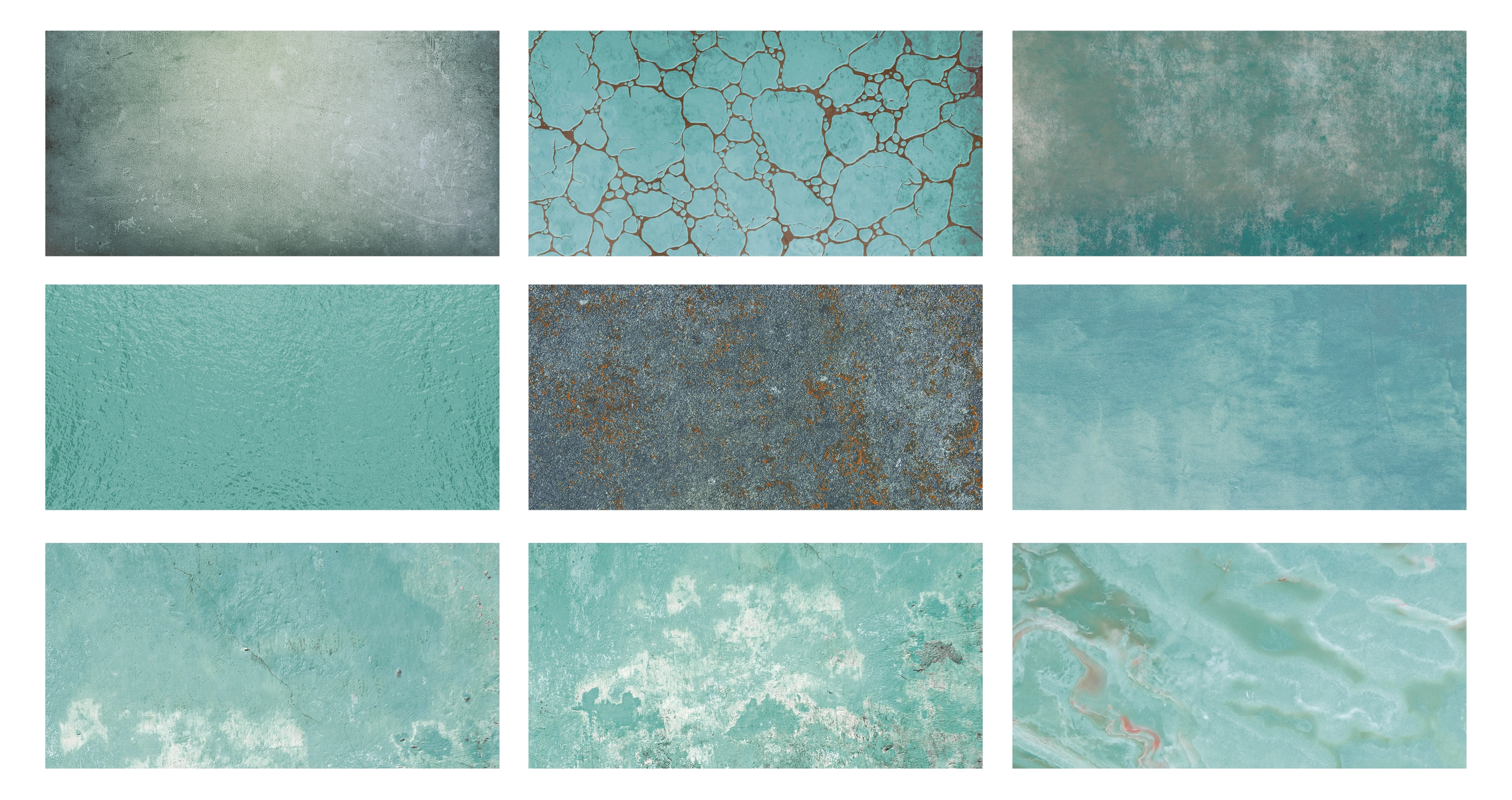
In contrast, porcelain tiles stand out for hotel pools with low water absorption, high durability and reduced grout requirements. Additionally, porcelain surfaces are a strong alternative for projects seeking a natural-looking pool finish.
UV, Chemical and Thermal Shock Resistant Pool Surface Solutions
UV-resistant pool surface systems play a critical role in maintaining the aesthetic quality of outdoor hotel pools over time. Pool floors that are constantly exposed to sunlight can show color fading, dulling and surface wear if the materials have low UV resistance. This diminishes the initial design impact and reduces the visual value of the pool. Surfaces resistant to UV rays, on the other hand, keep color and texture stable for many years, preserving the visual quality of the pool area.
Chemical-resistant pool surface systems are also essential, as they are not adversely affected by regular cleaning and disinfection procedures in hotel pools. Chlorine, pH regulators and cleaning chemicals can gradually cause wear, surface degradation and loss of slip resistance on technically weak surfaces. Materials with high chemical resistance maintain surface integrity, ensuring both safety and hygiene standards are sustainably preserved.
Additionally, frost and thermal shock resistant surfaces prevent damage caused by sudden temperature changes, especially in outdoor pools. Expansion and contraction during day–night temperature shifts or seasonal transitions can increase the risk of cracking in unsuitable materials. When all these technical resistances are combined, they create pool surface systems that withstand heavy traffic, offer long-lasting performance and remain stable over time.
Long-Lasting, Low-Maintenance Surfaces for Hotel Pools
Slip-resistant surfaces in hotel pools should not only ensure user safety but also simplify maintenance processes for the operation. In high-traffic pool areas, floors that are easy to clean provide significant advantages for daily operations. Surfaces with a rough yet balanced texture maintain slip resistance while minimizing dirt and lime accumulation.
Low-maintenance pool surfaces reduce cleaning time and the need for chemicals. This extends the technical lifespan of the surface and provides long-term cost benefits for hotel pools. Surfaces that require constant upkeep or quickly lose performance create extra labor and expenses for operations, whereas properly selected surfaces significantly reduce this burden.
In conclusion, long-lasting, low-maintenance surfaces that retain their slip resistance over time create a safe and sustainable environment for hotel pools. This approach not only enhances guest satisfaction but also directly supports operational efficiency.
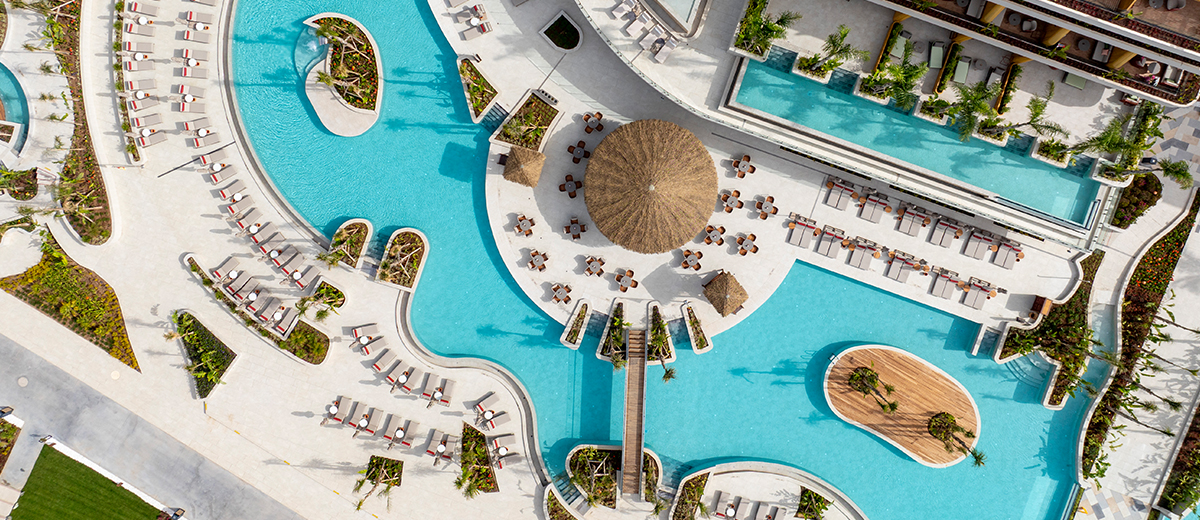
Professional Surface Solutions for Five-Star Hotel Pools
Pool surface solutions for five-star hotels should not only provide technical adequacy but also serve as an architectural element that enhances the hotel’s prestige. In such projects, the pool area is often one of the first social spaces guests encounter, meaning the chosen surface material directly impacts brand perception. Therefore, professional solutions for hotel pools must combine aesthetic continuity, surface safety and long-term performance within a single system.
In particular, spa and resort pool flooring projects require surface materials that are suitable for both indoor comfort and outdoor conditions. Stable slip resistance on constantly wet floors, preservation of surface integrity against cleaning chemicals, and maintaining aesthetic quality despite heavy use are key quality criteria. These requirements make professional systems necessary, going beyond standard products.
Key Considerations When Selecting Surfaces for Hotel Pools
In commercial pools, surface selection should be based not only on visual expectations but also on usage intensity, environmental conditions and maintenance plans. In hotel pools that are used by hundreds of people of different age groups throughout the day, floor performance plays a critical role in safety. At this point, determining how to select a safe pool floor becomes a fundamental step in project planning.
If the right surface is not selected, floors can become slippery over time, textures may wear down, and hygiene issues can arise. This not only compromises user safety but also increases maintenance costs for the operation. Therefore, when evaluating surface solutions for hotel pools, technical criteria such as slip resistance class, water absorption rate, chemical and UV resistance should be considered together.
Aesthetic and Safe Flooring Design for Hotel Pools
Aesthetic and durable pool design cannot be considered separately from safety in hotel projects. A visually impressive pool area only gains meaning when paired with a safe floor. Therefore, aesthetic choices and technical requirements must be balanced during the design process.
Surface materials with the correct texture and technical classification support architectural cohesion while creating floors that reduce slip risks and enhance user comfort. This approach supports the goal of long-lasting pool flooring in hotels, providing a sustainable, safe environment that reduces maintenance needs. Ultimately, flooring designs that combine aesthetics and safety create a lasting perception of quality in hotel projects.
The Right Surface Material for High-Traffic Hotel Pools
Surface materials suitable for high-traffic hotel pools should be chosen with a long-term investment perspective rather than short-term solutions. High foot traffic, constant water exposure and cleaning processes are factors that challenge the flooring over time. Materials that are not suited to these conditions lose performance quickly.
Therefore, the most durable pool surface solutions consist of products that maintain surface integrity over time, resist wear and provide stable slip resistance. With the right surface choice, both aesthetic integrity is preserved and maintenance or renovation needs are reduced. This directly improves the operational efficiency of the hotel.
Surface Material Prices
The prices of surface materials vary not only based on appearance but also on technical features, intended use and long-term performance. Criteria such as water absorption rate, slip resistance class, durability level and resistance to environmental factors are key determinants of cost.
Therefore, when evaluating prices, the focus should not be solely on the initial investment. Long-lasting pool surfaces that require less maintenance, fewer renovations and provide extended aesthetic protection offer more advantageous results in terms of total cost.
By reviewing all our models, you can explore in detail the right surface system for hotel pools, selecting professional solutions that best match your project’s usage intensity and architectural requirements.



-1.png)